Volunteers mark Muhammad Ali’s legacy with alley cleanup effort in Louisville’s Parkland neighborhood
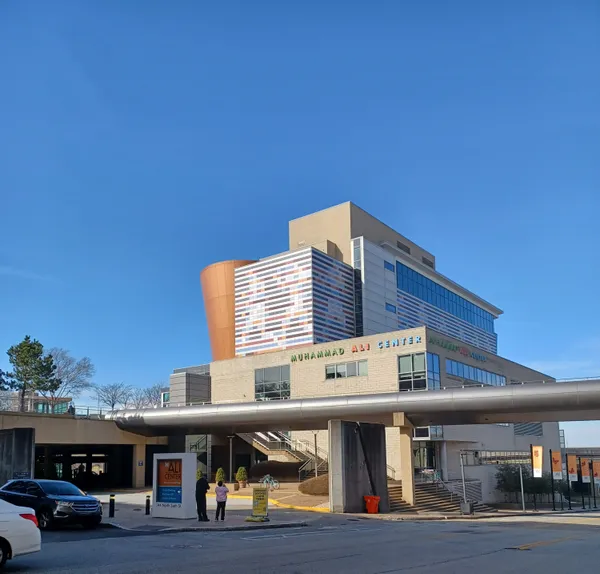
A neighborhood service project tied to Ali’s hometown roots
Volunteers gathered in Louisville’s Parkland neighborhood for an alley cleanup organized as a tribute to Muhammad Ali, whose childhood home stands in the community. The effort focused on removing litter and debris from alleys and shared spaces—areas where illegal dumping and neglected waste can accumulate and where cleanup work is often less visible than main-street beautification.
Parkland has long been part of the public story of Ali’s early life in Louisville. In recent years, community groups and civic partners have also used service events in west Louisville neighborhoods to connect volunteerism with place-based investment, pairing symbolic tributes with practical improvements that residents and nearby businesses can see immediately.
Why alleys matter in neighborhood upkeep
Alleys play an outsized role in day-to-day quality of life. They are functional corridors for trash collection and access but can become hotspots for litter, bulky waste, and overgrowth. In Louisville, neighborhood cleanups are commonly supported through established city processes that allow registered groups to request basic supplies such as gloves and bags and to coordinate debris collection with solid-waste services.
Public communications from Louisville Metro in past years have also highlighted targeted alley-focused projects in Parkland intended to curb illegal dumping and improve cleanliness. Those efforts underscore a recurring theme: cleanup work is most effective when it is planned, resourced, and repeated—not treated as a one-time reset.
How Parkland volunteer efforts fit into a broader pattern
The Parkland alley cleanup follows other multi-part volunteer initiatives in the neighborhood and surrounding west Louisville communities. Service days have included litter pickup, landscaping, and exterior repairs, often coordinated by nonprofits and local institutions seeking to align short-term volunteer labor with longer-term neighborhood stabilization goals.
Separately, Parkland has been the site of recent community-building projects such as improvements at Parkland Plaza, envisioned as a gathering and green space. Volunteer workdays and public events in and around the plaza have aimed to create visible signs of reinvestment while strengthening ties among residents, schools, faith groups, and civic organizations.
What volunteers typically do during alley cleanups
- Collect litter and bag debris for scheduled pickup or proper disposal
- Remove illegally dumped items where authorized and safely accessible
- Document problem areas to support follow-up enforcement or targeted maintenance
- Coordinate with local partners on recurring maintenance plans
Service events honoring Muhammad Ali have increasingly emphasized volunteerism and community improvement as expressions of his Louisville legacy.
Next steps and the measure of impact
Organizers of neighborhood cleanups typically evaluate success by the volume of debris removed, the number of volunteers engaged, and whether problem sites continue to attract dumping after the event. Sustained improvement often depends on repeat cleanups, clear reporting channels for illegal dumping, and coordination with routine sanitation operations.
In Parkland, the alley cleanup adds to an ongoing series of neighborhood-focused efforts linking civic pride, public space conditions, and practical service—grounded in the idea that visible upkeep can be both a tribute and a tool for neighborhood resilience.

Chilly Rain and Breezy Skies: Grab the Umbrella, Louisville
Louisville expands multi-agency enforcement plan to identify repeat gun offenders linked to violent crime patterns

Yonutz Fantastical Donuts and Ice Cream plans second Louisville shop in the Highlands neighborhood