Louisville expands multi-agency enforcement plan to identify repeat gun offenders linked to violent crime patterns
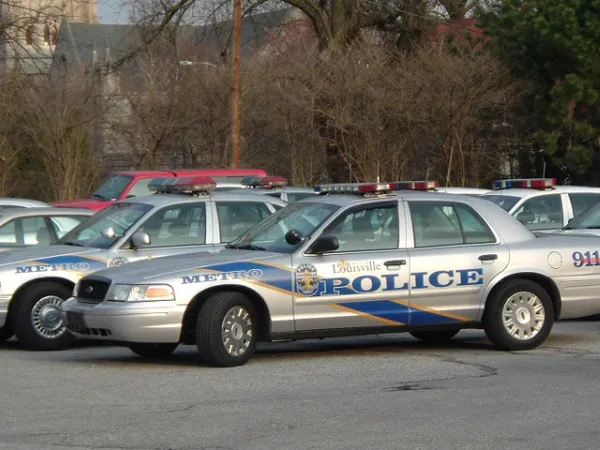
A new enforcement push built around repeat firearm offenders
Louisville officials have expanded a coordinated enforcement approach that prioritizes a relatively small subset of people suspected of driving a disproportionate share of shootings and other gun violence. The initiative is designed to identify individuals legally prohibited from possessing firearms and accelerate investigations and prosecution pathways when those people are found with guns.
The strategy, known locally as the Prohibited Firearms Possessors initiative, brings city law enforcement, local prosecutors and federal partners into a single operational framework. The core premise is that gun-violence reduction can be improved by focusing investigative resources on repeat offenders with violent histories and recent felony convictions, while using joint case-building and charging decisions to increase the likelihood of detention and successful prosecution.
How the initiative fits Louisville’s broader crime-reduction blueprint
The repeat-offender focus is being implemented alongside Louisville’s wider public-safety agenda, which is structured around prevention, intervention and enforcement. City leaders have set a public goal of reducing shootings and homicides by 15% each year through 2030, pairing enforcement with programs intended to reduce underlying risk factors for violence and improve neighborhood conditions.
Louisville Metro Police has also emphasized data-responsive policing and targeted deterrence of repeat offenders in its departmental planning. In that context, the prohibited-possessor initiative functions as a case-selection and coordination mechanism: investigators concentrate on high-risk individuals, while prosecutors and federal partners help determine the strongest jurisdiction and charges for each case.
Operational elements: investigations, prosecutions and support programs
Investigations: Specialized units have been developed to strengthen gun-crime investigations, including a Non-Fatal Shooting Squad created to improve follow-up on shootings where victims survive and to reduce retaliation risks.
Multi-level prosecution options: The approach uses local and federal prosecutorial capacity, aiming to move cases into the venue best suited for the evidence available and the offender’s history.
Non-police crisis response: City officials have expanded a 911 “deflection” model that routes some behavioral-health crisis calls to mental health professionals rather than dispatching police, reducing armed responses where they are not required.
City and law enforcement leaders have described the initiative as a targeted response to repeat gun offenders, intended to improve safety across neighborhoods while integrating enforcement with non-police interventions where appropriate.
Early results and what will be measured next
Officials have pointed to year-over-year declines in several violent-crime indicators during 2025, including decreases in shootings and homicides reported in public updates. At the same time, leaders have framed the effort as ongoing, with results dependent on sustained coordination between investigators, courts and prosecutors, as well as continued investment in prevention and intervention programs.
Key measures expected to determine the initiative’s impact include: repeat-offender identification accuracy, time from gun seizure to charging decision, clearance rates for non-fatal shootings, and whether reductions in shootings are sustained across multiple years and across the neighborhoods most affected by gun violence.

Chilly Rain and Breezy Skies: Grab the Umbrella, Louisville

Yonutz Fantastical Donuts and Ice Cream plans second Louisville shop in the Highlands neighborhood