Pediatric flu cases climb across Louisville area as hospitals, schools report sustained midwinter surge
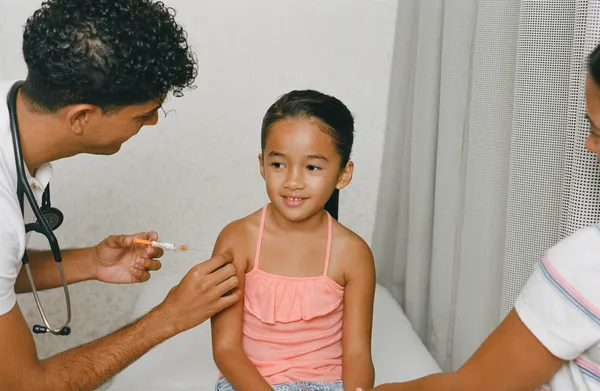
Rising pediatric burden reported across care settings
Influenza activity among children has increased across the Louisville area, showing up in pediatric clinics, emergency departments and school health offices. Local pediatric providers have recently reported weekly pediatric flu confirmations near the upper end of what has been seen in recent seasons, with activity concentrated among school-age children and younger children.
Schools have also reported elevated flu-like illness, reflected in growing nurse visits and clusters of illness that can affect attendance and staffing. In prior Louisville-area surges, elementary schools have accounted for a disproportionate share of reported cases within large districts, a pattern consistent with the rapid spread that can occur in close-contact classroom environments.
What the broader surveillance picture shows
National influenza surveillance through mid-February 2026 has shown sustained influenza activity, with influenza A(H3N2) remaining the most frequently identified subtype while influenza B has increased in proportion in many parts of the country. Pediatric impacts have been notable in the current season: national hospitalization tracking has indicated some of the highest pediatric weekly hospitalization rates observed in more than a decade, and the season has recorded a substantial number of pediatric deaths nationwide.
Public health surveillance cautions that reported case totals undercount true infections because many people do not get tested, and not all data streams capture mild illness managed at home. Even so, converging indicators—clinical testing, emergency department patterns, and school illness reports—support that respiratory virus activity has remained elevated during the winter period.
Why children can drive rapid spread
Influenza spreads primarily through respiratory droplets and close contact. Children are more likely to have close, repeated contacts in classrooms, sports and child care settings, and may have less consistent hand hygiene, which can accelerate transmission. Cold-weather behavior—more time indoors with limited ventilation—can further increase risk of spread.
How families can reduce risk and recognize warning signs
Clinicians continue to emphasize layered prevention and early response when symptoms worsen. Standard guidance for families includes:
- Annual influenza vaccination for eligible children, recognizing it takes about two weeks after vaccination for protection to build.
- Staying home when sick and limiting close contact with others during fever and significant symptoms.
- Handwashing and respiratory etiquette (covering coughs/sneezes) and improving indoor ventilation where possible.
- Seeking timely clinical advice about antiviral treatment when a child is at higher risk for complications or symptoms are progressing quickly.
Emergency care is generally advised for children with signs of respiratory distress, dehydration, bluish or gray skin coloration, persistent chest pain, confusion, or symptoms that rapidly worsen.
What to watch next
Influenza season often unfolds in waves, and shifts in dominant strains can change who is most affected week to week. Local health systems and school districts are expected to continue monitoring pediatric volume, absenteeism, and outbreak patterns as the region moves through late winter and into early spring.

Louisville weekend forecast: thunderstorms likely Saturday, then cooler and sunnier conditions arrive Sunday

Louisville Metro Council Committees Convene for Key Policy and Infrastructure Sessions

Morning Briefing: Highlands Growth, Major Crime Busts, and the Countdown to Soccer Season