Viewer photos document Louisville’s Winter Storm 2026 as officials warn of hazards, outages and service disruptions
A community-recorded storm, as disruptions spread across Louisville and the region
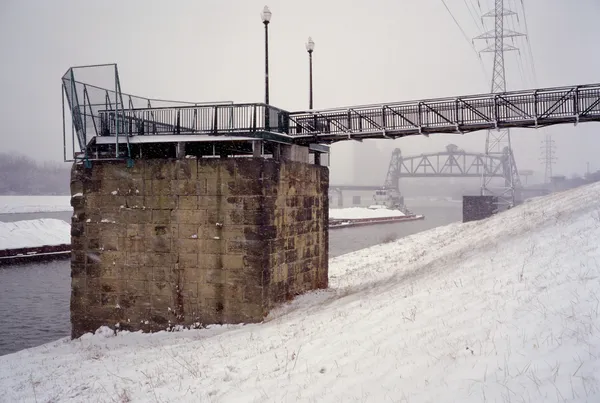
Winter Storm 2026 left Louisville and surrounding counties navigating snow, sleet, and ice that altered daily routines and strained essential services over the weekend of Jan. 24–25, 2026. As the storm progressed, residents provided a steady stream of viewer photos and videos that collectively captured conditions across neighborhoods, roads, and public spaces.
The images—ranging from snow-covered streets to ice-coated trees and power lines—served as an informal but immediate record of how quickly weather conditions shifted. Many of the submissions showed limited visibility, untreated side streets, and accumulating precipitation during periods when travel was strongly discouraged.
Official guidance emphasized safety, limited travel, and preparedness
Local messaging centered on staying off the roads where possible, both to reduce crash risk and to allow crews to treat priority routes. During the storm, law enforcement reported dozens of collisions across Louisville Metro, with speed repeatedly cited as a primary factor in winter-weather wrecks.
Municipal updates also focused on public-warming options and emergency shelter capacity. Louisville’s winter response included designated overnight shelters and the activation of cold-weather shelter protocols tied to temperature thresholds, alongside daytime warming locations and limited public-building availability for residents needing heat and a place to charge devices.
Transportation interruptions and grid pressures became major operational challenges
Public transit was directly affected. The Transit Authority of River City (TARC) suspended routes starting Monday, Jan. 26, continuing an earlier suspension as road conditions remained hazardous and service restoration planning continued.
Utilities also warned that the storm’s prolonged cold increased electricity demand as heating systems ran continuously. LG&E and KU asked customers to conserve power to reduce pressure on the regional grid and to help manage overall demand during the cold snap.
- Transit disruption: systemwide TARC route suspensions were implemented as conditions deteriorated.
- Energy demand: residents were urged to reduce unnecessary electricity use during the coldest periods.
- Road safety: travel advisories and crash reports highlighted the risk from ice and reduced traction.
Why the viewer images matter during severe weather
In fast-moving winter systems, resident photos can document localized impacts that forecasts and radar cannot always convey at street level—especially where snowfall, sleet, and ice vary block by block.
While official updates provide the operational picture—closures, shelter options, and service interruptions—ground-level images help illustrate what those alerts look like in practice. In Winter Storm 2026, viewer photos functioned as a real-time archive of hazards and disruptions, reflecting both the storm’s intensity and the unevenness of its effects across the metro area.
As recovery continued into Monday, officials urged residents to keep monitoring conditions, limit travel when possible, and prioritize safety over documentation while cleanup and restoration work proceeded.