UPS plans $6 million temperature-controlled facility in Fairdale as demand rises for cold-chain logistics capacity
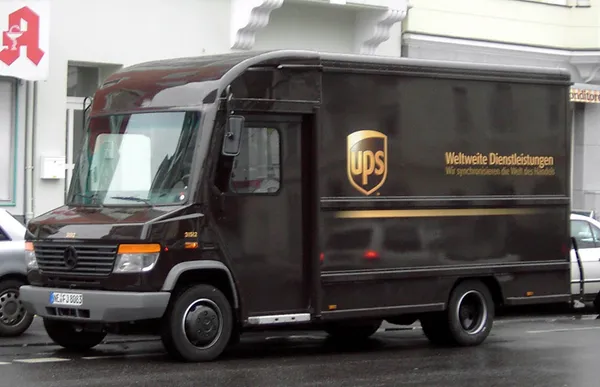
Project targets pharmaceutical and other time- and temperature-sensitive shipments in the Louisville region
UPS is planning a $6 million temperature-controlled facility in Fairdale, adding to the company’s expanding cold-chain footprint in the Louisville area and reinforcing the region’s role in time-critical logistics. The project comes as demand grows for storage, packaging and distribution systems that keep products within narrow temperature ranges—requirements that are increasingly common in pharmaceutical supply chains, including biologics and vaccines.
The Fairdale proposal aligns with UPS Healthcare’s broader strategy to expand temperature-controlled infrastructure designed for sensitive healthcare shipments. UPS has previously described its temperature-controlled operations as spanning multiple temperature bands, reflecting the varied handling needs of modern medicines and other high-value products that must be protected from heat excursions, freezing or humidity swings during staging and transit.
How the Fairdale plan fits within UPS’s Louisville network
Louisville serves as a central node in UPS’s integrated air-and-ground system. The company’s Worldport air hub at Louisville Muhammad Ali International Airport processes roughly 2 million packages per day and supports more than 300 flights daily, making the metro area one of the nation’s key cargo gateways. A temperature-controlled site in Fairdale would add specialized capacity within that same logistics ecosystem, potentially improving how cold-chain freight is staged and routed to meet flight schedules, delivery windows and customer requirements.
- Temperature-controlled space is commonly used to stabilize shipments before they enter transportation networks and to reduce time outside validated temperature ranges.
- Cold-chain facilities typically support a mix of active and passive packaging, preconditioning processes, and monitored holding areas to protect product integrity during handoffs.
Industry context: cold chain demand and facility strategy
Across the logistics sector, carriers and third-party providers have accelerated investments in cold-chain capacity in response to growth in temperature-sensitive therapies and higher regulatory expectations for handling and documentation. UPS has publicly positioned healthcare logistics as a strategic growth area, emphasizing specialized buildings, packaging capabilities and network reach intended to support the movement of life-saving products.
Temperature-controlled logistics has become a core requirement for a growing share of pharmaceuticals, driving demand for dedicated facilities that can maintain specific ranges and support validated processes.
What remains to be clarified
Key details that typically determine the local footprint of a project—such as the facility’s square footage, staffing levels, construction timeline, and specific temperature zones—have not been publicly confirmed in a comprehensive project disclosure. These factors, along with permitting and local review milestones, will shape the project’s ultimate economic impact and the extent to which it expands capacity for healthcare shippers and other temperature-sensitive supply chains in the Louisville area.
Even at a $6 million scale, the Fairdale plan underscores how logistics companies are increasingly investing in specialized buildings—alongside automation and network reconfiguration—to meet evolving customer requirements for speed, compliance and product protection.