Unhoused Louisville man’s death during extreme cold draws attention to shelter limits and winter response gaps
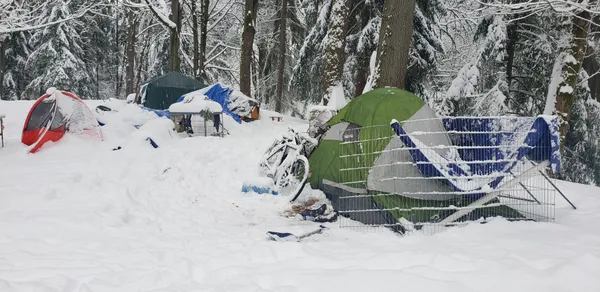
A death that reignited winter safety concerns
The death of an unhoused man during a period of extreme cold has prompted renewed scrutiny of how Louisville protects people living outdoors when temperatures fall rapidly. Neighbors and outreach workers described a community shaken by the loss, while service providers again warned that exposure can turn life-threatening within hours during winter cold snaps.
Public health guidance is clear that prolonged exposure to low temperatures increases the risk of hypothermia and frostbite, especially for people without reliable access to warm, dry shelter. Those risks can intensify when individuals are wet, fatigued, ill, intoxicated, or unable to recognize the early signs of cold stress.
How Louisville’s cold-weather plan works
Louisville’s main emergency expansion tool during severe temperatures is Operation White Flag, an emergency protocol that increases access to shelter when conditions cross preset thresholds. In practice, White Flag can add overflow capacity through options such as chairs or cots in congregate settings when standard beds are already full.
Louisville’s shelter network has faced frequent capacity pressure, with providers reporting nights when beds are unavailable and emergency space must be managed on a first-come, first-served basis. During peak demand, transportation barriers, limited hours, and the speed at which weather deteriorates can leave some people outside despite official activations.
Constraints that outreach workers cite repeatedly
Interviews and recent public reporting from local service organizations have consistently described a tight system that becomes strained during both heat and cold emergencies. Providers have pointed to recurring obstacles that complicate crisis response, including staffing shortages and limited space for overnight stays when severe weather hits unexpectedly.
- Emergency shelters operating near capacity during prolonged cold stretches
- Overflow options that prioritize immediate survival but may not be equivalent to a bed
- Gaps in rapid placement options for people who avoid congregate settings
- Limited ability for some non-shelter day facilities to extend hours overnight
Housing instability and winter exposure
Cold-weather risk is closely tied to housing instability. Recent Louisville-area reporting has documented that evictions and set-outs can proceed even during severe winter conditions, potentially increasing the number of people who must navigate shelter entry, transportation, and safe storage of belongings during dangerous weather.
Advocates have also warned that frequent displacement of outdoor encampments can disrupt individuals’ ability to remain connected to outreach teams and services, especially when weather conditions demand consistent contact and quick referrals to warming options.
During severe cold, the difference between a warm indoor space and exposure outdoors can be measured in hours, not days.
What officials and providers urge residents to do
Service providers and emergency officials have repeatedly encouraged residents to call local assistance lines when they see someone outdoors in dangerous temperatures, and to use city and regional alert systems to track warming options as conditions change. Outreach teams emphasize that early calls—before temperatures reach their lowest point—can improve the chances of connecting someone to shelter or a warming location.
The man’s death has become a point of mourning for neighbors and a stark reminder that winter response depends not only on emergency activations, but also on capacity, staffing, transportation, and the availability of stable housing well before the next cold snap arrives.