Shippingport Brewing in Louisville’s Portland neighborhood to close after nearly five years of operation
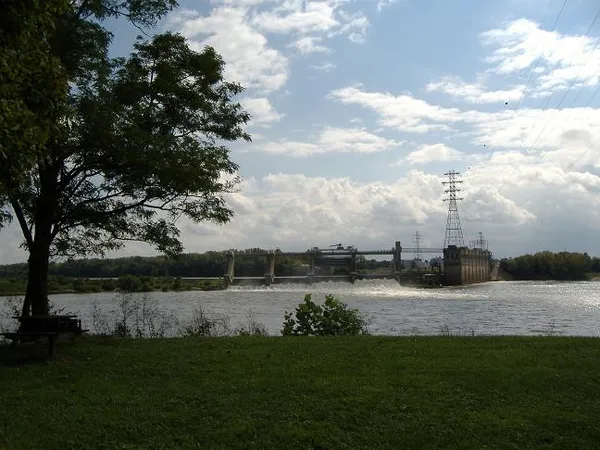
A West Main Street brewery and taproom prepares to shut down
Shippingport Brewing Company, a small brewery and taproom located at 1221 W. Main St. in Louisville’s Portland neighborhood, is set to close after operating for nearly five years. The business opened in late June 2021, establishing itself as a neighborhood-focused brewery paired with a food service component under the Sally Forth Tap Room name.
The closure marks the end of a venue that arrived as part of a broader wave of new small businesses that have opened in and around Portland in recent years, alongside longer-established neighborhood institutions. Shippingport Brewing’s location near the eastern edge of Portland placed it in a corridor that blends industrial uses, downtown-adjacent traffic, and a growing mix of hospitality and community destinations.
How Shippingport Brewing got its start
Shippingport Brewing opened June 24, 2021, after an initial timeline that had been planned for 2020 was disrupted during the COVID-19 period. The brewery was launched by Louisville native Amelia Pillow, who began brewing professionally in 2007 while living in Portland, Oregon, and later returned to Louisville. The business drew its name from Shippingport Island, a historic Ohio River site tied to the area’s early settlement history.
From its start, the operation combined on-site beer production with a taproom offering food and non-beer beverages, positioning itself as a hybrid neighborhood gathering place rather than a production-only facility.
Location: 1221 W. Main St., Louisville
Opened: June 2021
Key concept: In-house beer with an adjoining taproom and kitchen service
Portland’s business landscape and what the closure suggests
Shippingport Brewing opened during a period when civic and private investment in Portland was increasingly visible, including transportation and connectivity planning and new residential and mixed-use proposals elsewhere in the neighborhood. At the same time, Portland’s built environment and land uses can limit walk-up traffic compared with denser commercial districts, placing added importance on destination visits, events, and repeat neighborhood customers for hospitality businesses.
Since its opening, the brewery has been among the newer establishments contributing to Portland’s evolving mix of local services and visitor-oriented destinations.
What remains unclear
Details surrounding the closure—such as the final day of service, staffing impacts, and whether the space will be reused for another hospitality concept—have not been publicly confirmed in a way that allows full verification. The business’ public-facing materials continue to list operating hours and general contact information.
For residents and visitors, the coming weeks will likely determine whether the location transitions quickly to a new tenant or remains vacant, a question that can carry outsized significance in neighborhoods where independent, locally owned hospitality spaces are still relatively limited.