Second unhoused death in Louisville highlights hypothermia risks as city expands cold-weather shelter response
What officials confirmed
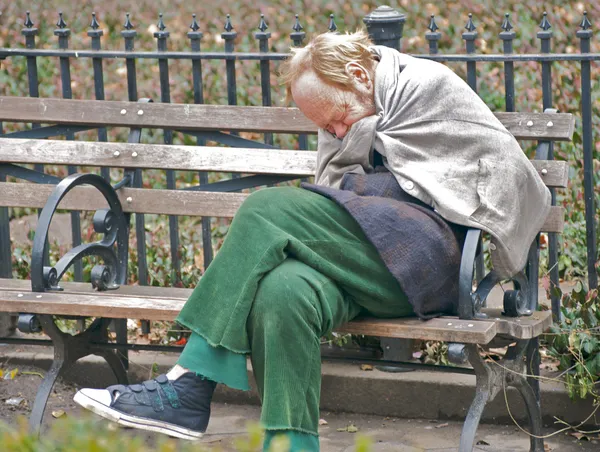
Louisville officials reported a second death involving an unhoused resident as bitter cold settled over the region, underscoring the heightened risk of hypothermia for people living outdoors during prolonged winter weather. The announcement came as city and state leaders continued to warn that wind chills and ice conditions were creating life-threatening exposure hazards across Jefferson County and much of Kentucky.
In a separate, recently confirmed fatality tied to the same cold snap, city officials identified a 55-year-old man, Richard Marshall, who was found outdoors and later pronounced dead at UofL Health – Jewish Hospital. The Jefferson County Coroner’s Office listed the preliminary cause of death as consistent with hypothermia, with the manner of death pending further review.
How the city’s emergency shelter system is designed to work
Louisville’s primary emergency response for people experiencing homelessness during extreme temperatures is Operation White Flag. Under White Flag conditions, participating shelters signal expanded access and allow people to remain inside while the emergency conditions persist. The program is triggered when the wind chill drops below 35 degrees or when the heat index reaches 95 degrees; it can also be activated during an ozone alert.
City communications and service coordinators direct residents to the Coordinated Shelter Access line for real-time information about whether White Flag is in effect and where beds may be available. In addition to overnight shelters, public facilities such as libraries are frequently used as daytime warming options during normal business hours when severe cold extends through the workweek.
Outreach operations and capacity measures during extreme cold
During the most recent cold stretch, Louisville’s Homeless Engagement and Assessment Response (HEART) outreach team expanded operations to seven days a week. Outreach workers focused on locating people sleeping outside, distributing winter supplies, and offering transportation to shelters. Alongside the outreach effort, Louisville’s shelter network reported adding temporary capacity during severe weather events, including additional beds and short-term hotel placements supported through city funding partnerships.
What residents can do during the cold emergency
- Check on neighbors, family members, and others who may lack heat or reliable housing.
- Use the Coordinated Shelter Access line to confirm White Flag status and locate shelter options.
- Contact the city’s HEART Team to request outreach help, transportation to shelter, or assistance for someone believed to be sleeping outdoors.
Cold exposure can turn dangerous quickly, particularly when wind chills stay below freezing for long periods and outdoor conditions include ice and wet clothing—factors that accelerate heat loss and raise the risk of hypothermia.
The city’s response—expanded outreach, emergency shelter procedures, and coordination tools—aims to reduce deaths during extreme weather. Officials have emphasized that community checks and rapid referrals to shelter can be critical when temperatures remain perilously low.