Mistrial declared after jurors deadlock in ex-Louisville Urban League CEO Kish Cumi Price termination lawsuit
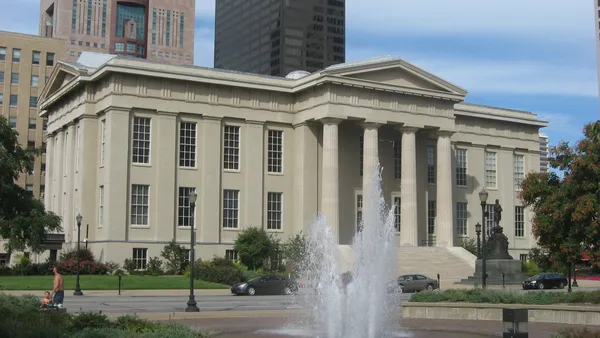
Judge ends trial without verdict after jurors report deadlock
A Jefferson County civil jury trial over the firing of former Louisville Urban League President and CEO Kish Cumi Price ended without a verdict this week after jurors reported they could not reach the agreement required to decide the case. The judge declared a mistrial, leaving the claims unresolved and no damages awarded.
The lawsuit centers on Price’s departure from the nonprofit roughly months after she was hired to lead it. Price alleges she was terminated in retaliation for raising concerns about financial management and potential conflicts of interest. The Louisville Urban League has denied wrongdoing and disputes that her dismissal was retaliatory.
What the case argued—and what the jury could not decide
The central question put to jurors was whether Price’s termination violated the law by punishing her for raising protected concerns, or whether the organization acted within its authority based on performance-related issues. The trial included about a week of testimony followed by closing arguments before deliberations began.
In Kentucky civil cases, juries do not necessarily need unanimity to reach a verdict. In this case, jurors still failed to reach the required level of agreement, resulting in a mistrial.
Price’s claims: financial questions, alleged conflicts, and timing
Price has maintained that she was removed from her role shortly before she planned to present findings or concerns to the organization’s board. Her lawsuit has alleged she encountered red flags involving how funds were handled and whether relationships involving affiliated entities created conflicts.
During testimony in the 2026 trial, Price described her efforts to obtain clarity on finances and governance and asserted that her termination followed soon after those efforts. Her claims also referenced the role of prior leadership and internal operations during the transition period.
The Urban League’s defense: no proof of misuse and workplace concerns
Defense witnesses and attorneys argued that the evidence did not establish financial improprieties. Testimony presented by the organization also addressed workplace dynamics, with some witnesses describing management and communication problems during Price’s tenure. The defense position was that the firing was based on leadership and performance issues rather than retaliation.
Damages sought and what happens next
Price sought compensation that included lost wages and a larger claim for emotional distress. Because the jury did not reach a verdict, no award was issued.
A mistrial does not determine who is right or wrong; it means the case ended without a legal decision on liability.
Whether the case will be tried again remains unresolved. A retrial would require the parties and the court to schedule a new proceeding, or the case could end through a settlement or dismissal if one occurs later.
- No verdict was reached and no damages were awarded.
- The lawsuit’s retaliation claim remains undecided.
- Any next step—retrial, settlement, or other resolution—will depend on court scheduling and the parties’ decisions.