Louisville officials respond to safety complaints on Raggard Road near shuttered Walmart property
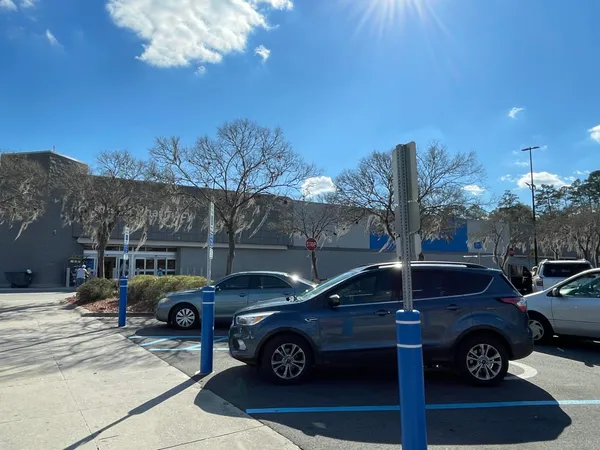
Concerns concentrate around a long-vacant big-box site in southwest Louisville
Louisville officials are facing renewed scrutiny over public safety conditions along Raggard Road near the former Walmart supercenter at 7100 Raggard Road, a property that has been closed since April 22, 2022. The store’s closure left behind a large, highly visible commercial site near Greenbelt Highway and residential areas around Pleasure Ridge Park and Shively, creating a corridor that residents and nearby businesses say now requires more active management.
The former store building—about 220,844 square feet—has remained in the real-estate market as a redevelopment candidate, but the site’s vacancy has also become intertwined with day-to-day concerns such as lighting, loitering, traffic conflicts, and calls for policing and code enforcement. The area’s challenges are not new: Louisville Metro Police data previously showed Walmart locations generating a high volume of service calls citywide, with the Raggard Road store among the locations drawing frequent police responses during its years of operation.
What city leaders are focusing on
In discussions about Raggard Road, city leaders have centered their response on short-term deterrence measures and longer-term site stabilization. The practical levers available to local government generally fall into three categories: targeted enforcement, physical changes to the public realm (such as lighting and roadway design), and coordination with property owners to address conditions on private lots.
Visibility and deterrence: stepped-up patrol attention and a more consistent official presence in the corridor.
Infrastructure and maintenance: improving lighting and addressing neglected areas that can contribute to perceived disorder.
Property coordination: aligning expectations for fencing, trespass control, and upkeep while the site remains vacant.
Why the vacant site matters for safety planning
Large vacant retail properties can create complex safety environments because they combine expansive parking areas, multiple access points, and limited routine activity. Those conditions can complicate enforcement and make it harder for surrounding neighborhoods to predict how the space will be used after business hours. In Louisville, the Raggard Road location has remained a prominent example of how the loss of a high-traffic retailer can shift both shopping patterns and public-safety demands in nearby corridors.
Safety responses around vacant commercial sites typically rely on a mix of enforcement, environmental changes such as lighting, and clear responsibility for maintenance while redevelopment remains uncertain.
City leaders have emphasized that addressing immediate safety concerns does not replace the need for a long-term reuse plan. Until a new tenant or redevelopment project materializes, the corridor’s conditions are likely to depend on sustained coordination between Louisville agencies, police, and the property’s private stakeholders.