Louisville mini horse Bandit case highlights one-acre livestock rule as Metro Council considers grandfathering changes
A neighborhood fixture meets a new space requirement
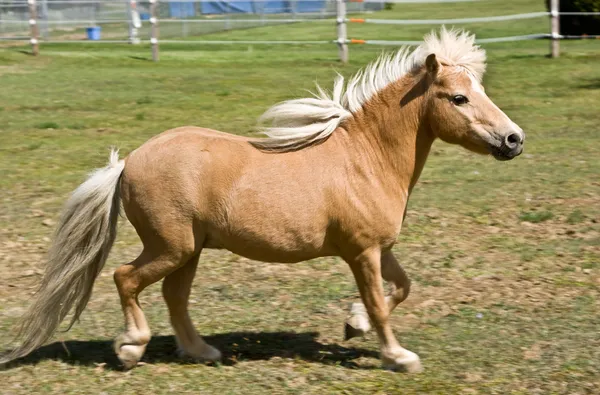
A 14-year-old miniature horse named Bandit has become the public face of a broader dispute over Louisville’s updated animal ordinance, after enforcement of a one-acre space requirement threatened to remove him from a Germantown-area backyard where he has lived most of his life.
Bandit’s owner, Susan Bruner, has said Bandit has been the subject of repeated complaints over the years and that inspections found him in good condition. The compliance issue arose after the city’s animal code was updated in October 2025, adding miniature horses to the same minimum land requirement long applied to full-sized horses.
What the ordinance says, and why it mattered for Bandit
The updated code requires that horses, ponies, miniature horses, mules, and related equines be kept on an individual tract, lot, or parcel of at least one acre. The code lists exemptions for certain facilities, including the Louisville Zoo, Louisville/Jefferson County Metro Police Department, Churchill Downs, and the Kentucky Derby Museum.
In Bandit’s case, the property where he is kept is substantially smaller than one acre, bringing the backyard setup into conflict with the revised standard. The ordinance change was part of a package of amendments that primarily addressed microchipping requirements for dogs and cats, but it also included language affecting livestock space requirements for multiple species.
City response: focus shifts to “grandfathering” and clarification
Following public attention and resident concerns, Louisville leaders began moving toward a policy adjustment that would allow certain existing animals to remain where they are kept, even if the property does not meet the updated acreage thresholds.
Councilwoman Jennifer Chappell, whose district includes the area where Bandit lives, publicly stated she was working with Metro Animal Services and the Jefferson County Attorney’s Office to add grandfathering language to Chapter 91 of the city code. The effort is intended to address not only ponies and miniature horses, but also other animals affected by the same set of amendments, including goats, kids, sheep, and porcine animals.
The dispute has underscored how multi-topic legislative packages can produce downstream enforcement consequences beyond their primary policy aim.
Where things stand and what residents should watch next
Bandit’s situation drew quick community organizing, including petitions and calls for a revision that distinguishes long-established, well-maintained animals from new acquisitions that might raise different neighborhood impacts.
The current code sets a one-acre minimum for equines including miniature horses.
City officials have initiated steps to add grandfathering language to cover existing animals and reduce sudden displacement risks.
Additional public discussion has been scheduled to focus specifically on livestock space requirements and the recent code changes.
The outcome of the pending legislative process will determine whether Louisville formalizes a grandfathering approach, and how the city balances consistent enforcement with the realities of long-standing animal care arrangements in denser neighborhoods.