LG&E details Louisville grid hardening plan to reduce outages as storms intensify and equipment ages
Storm resilience becomes a central focus for Louisville’s electric system
Louisville Gas and Electric Co. (LG&E) has outlined a set of infrastructure upgrades aimed at reducing power outages and speeding restoration following severe weather. The effort centers on replacing vulnerable equipment, strengthening lines and poles, and expanding automation that can isolate faults and restore service more quickly.
The initiative comes as the utility points to a recent pattern of high-impact storms that have produced widespread outages—sometimes affecting more than 100,000 customers—and requiring multi-day restoration work. The company says storm-related damage has grown more frequent and more expensive to repair, increasing pressure to harden the grid.
What LG&E says it is building and replacing
LG&E’s plan includes physical reinforcement of the distribution system and accelerated work on aging substations. The utility has reported that since 2020 it has hardened about 70 miles of distribution lines and installed roughly 2,200 automated “reclosers,” devices designed to detect certain faults and restore power automatically when conditions allow.
Substations are another major focus. LG&E has said it intends over the next five years to upgrade hundreds of aging substations, including equipment that dates to the 1920s. Beyond substations, the company has described broader system-hardening steps that include stronger wires and poles, increased vegetation management, and added technology for monitoring and operational control.
- Distribution hardening: targeted rebuilds and strengthening of overhead circuits
- Automation: installation of reclosers to limit the number of customers affected by faults
- Substation modernization: upgrades to reduce failure risk from age and storm exposure
- Operations and monitoring: expanded real-time visibility into grid conditions
Costs and oversight: why customers are seeing higher bills
The grid work is tied to a Kentucky Public Service Commission-approved rate adjustment. For residential electric customers, LG&E has said the average monthly impact is about $5.14 more. The utility has also cited significant unit costs associated with hardening: replacing a single wooden distribution pole with a metal pole has been put at about $10,000.
The rate case process included interim rates beginning Jan. 1, 2026, followed by a Commission final order dated Feb. 16, 2026, triggering customer refunds for the interim period. The Commission’s order set approved increases for LG&E’s electric and natural gas service in amounts below the company’s original requests.
LG&E’s near-term reliability strategy is centered on storm hardening, automation, and substation modernization—investments that regulators have linked to system resilience and service performance.
What the upgrades could change for neighborhoods
For customers, the practical measure will be whether fewer households lose power during wind, ice, and lightning events—and whether outages are shorter when they do occur. Reclosers can reduce the footprint of an outage by sectionalizing a circuit, while stronger poles and modernized substations are intended to reduce the likelihood that a single equipment failure cascades into broader service interruptions.
LG&E has not framed the program as a single project with a single completion date; instead, it is a multi-year buildout shaped by equipment condition, storm exposure, and regulatory review.
Louisville dominates Syracuse 87-61 in ACC women’s quarterfinal, advancing with balanced scoring and defense
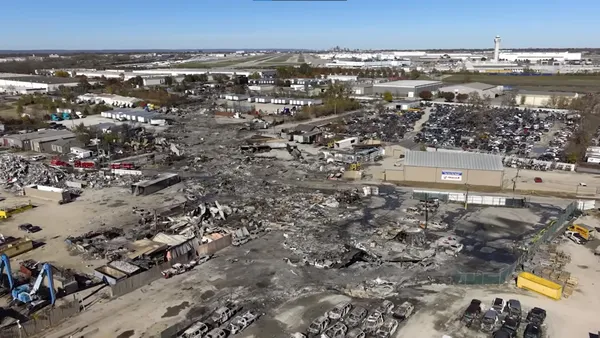
Access reopens near Louisville UPS Flight 2976 crash zone as remediation advances and closures shrink
Louisville kidnapping and bank robbery case paused after judge finds defendant currently incompetent for trial