Key milestones in the Breonna Taylor case, from the fatal Louisville raid to federal prosecutions
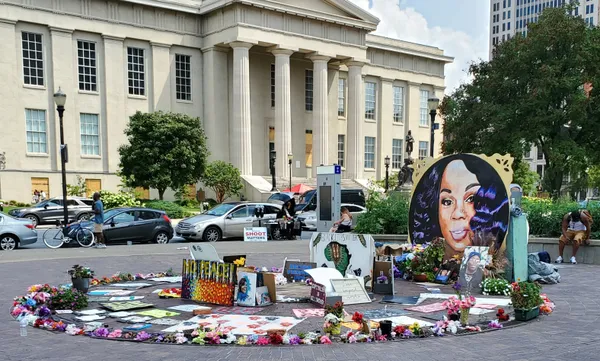
A case that reshaped policing debates and produced overlapping state, federal and civil proceedings
Breonna Taylor, a 26-year-old emergency room technician, was killed on March 13, 2020, when Louisville Metro Police officers executed a late-night search warrant at her apartment. The entry and the gunfire that followed set off years of investigations, lawsuits, policy changes and criminal cases across multiple courts.
What happened the night Taylor was killed
Officers arrived at Taylor’s home to serve a narcotics-related warrant tied to an investigation into her former boyfriend. During the entry, Taylor’s boyfriend, Kenneth Walker, fired a shot that struck an officer. Police returned fire, and Taylor was fatally shot inside the apartment. Walker was initially charged, and the incident quickly became a national flashpoint amid broader protests over police use of force.
Early legal actions and policy response in Louisville
April 27, 2020: Taylor’s family filed a wrongful-death lawsuit against the city and police leadership, challenging the official account of the raid and its justification.
June 11, 2020: Louisville Metro Council unanimously approved “Breonna’s Law,” banning no-knock warrants in Jefferson County and requiring body cameras to be activated when executing search warrants.
September 2020: Louisville reached a $12 million settlement with Taylor’s family and committed to a package of policing reforms.
State charging decisions and continuing disputes
In September 2020, a Kentucky grand jury indicted former detective Brett Hankison on wanton endangerment counts tied to shots that entered neighboring apartments, rather than charges directly alleging responsibility for Taylor’s death. The scope of what jurors were asked to consider became a focal point of subsequent public and legal debate.
In March 2021, the charges against Walker connected to the shooting were permanently dismissed.
Federal investigations, prosecutions and outcomes
In April 2021, the U.S. Justice Department opened a civil investigation into whether Louisville and its police department engaged in a pattern or practice of unconstitutional policing. In March 2023, the Justice Department announced findings of systemic civil-rights violations, including unlawful searches, excessive force and discriminatory conduct.
The federal review concluded Louisville police and city officials had engaged in a pattern of conduct that violated constitutional rights, prompting negotiations toward court-enforceable reforms.
Federal criminal cases also moved forward. In 2024, a federal jury convicted Hankison of using excessive force for firing into the apartment during the raid. In 2025, he was sentenced to nearly three years in prison.
Separately, three other former Louisville officers were federally charged in connection with allegations that false information was used to obtain the warrant. In August 2025, a federal judge dismissed the most serious charges against two of those defendants, while other counts remained pending.
Where the case stands
As of 2026, Taylor’s death continues to generate ongoing litigation and compliance efforts tied to federal reform agreements, while remaining federal criminal matters proceed in court. The case’s timeline reflects how a single police operation expanded into years of civil claims, local policy changes and federal enforcement actions.