HBO’s ‘Murder in Glitterball City’ revisits the 2010 Old Louisville killing and two linked trials
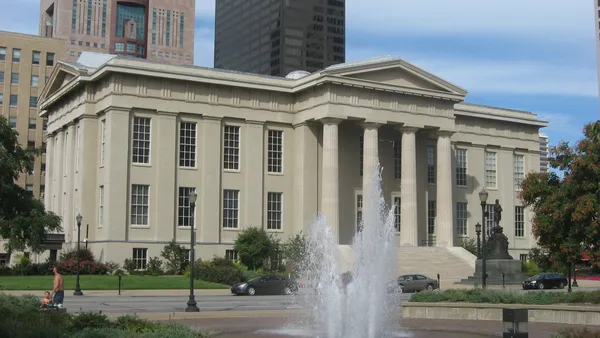
A Louisville case returns to the national spotlight
A two-part HBO documentary series, “Murder in Glitterball City,” is bringing renewed attention to a homicide that has shaped public memory of a notorious Old Louisville investigation since 2010. The series, adapted from the true-crime book “A Dark Room in Glitter Ball City” by Louisville author David Dominé, centers on the death of Jamie (James) Carroll and the conflicting accounts offered by two men who once lived together in an Old Louisville home.
The documentary arrives more than a decade after the case moved through Jefferson County’s courts, highlighting how video interviews, courtroom testimony and divergent narratives can determine outcomes in a high-profile prosecution.
What investigators found in June 2010
The criminal case stems from events that culminated on June 18, 2010, when police responding to a domestic dispute were led to the discovery of Carroll’s body in the basement of an Old Louisville residence. Court reporting and later case summaries describe the remains as having been concealed in a plastic storage container and buried in the basement area of the house for months before being found.
Carroll had been killed in late 2009, after an encounter involving then-partners Joseph “Joey” Banis and Jeffrey Mundt. Prosecutors argued the killing occurred during a night that involved drugs and sex, and that the victim was then hidden inside the home.
Two defendants, two trials, different verdicts
The legal proceedings ultimately produced split results:
In March 2013, a jury found Banis guilty of complicity to murder and other charges tied to the killing and robbery allegations. Days later, a plea agreement set his sentence at life in prison with the possibility of parole after 20 years.
In May 2013, a jury found Mundt not guilty of murder. He was convicted instead of facilitation to robbery and tampering with evidence related to the concealment of the body, with an eight-year recommended sentence reported at the time.
Central to both trials was the tension between two competing explanations: each man attributed primary responsibility to the other, while prosecutors maintained that both were involved. The record also includes accounts that one partner feared retaliation from the other, a dynamic that prosecutors and defense attorneys argued differently as they tried to explain silence, delayed reporting and post-crime actions.
What the documentary is positioned to examine
“Murder in Glitterball City” is directed by filmmakers Fenton Bailey and Randy Barbato. Promotional descriptions of the project emphasize the evolution of the investigation after the 911 call, the inconsistencies in statements given by Banis and Mundt, and the role of video evidence presented to juries.
The case has long been defined by dueling narratives—one of the reasons it continues to attract attention years after the verdicts were delivered.
For Louisville viewers, the series also revisits the setting and context of Old Louisville—where the crime occurred and where the investigation unfolded—while focusing on how the justice system sorted through disputed timelines, credibility questions and forensic claims to reach two different courtroom outcomes.