FBI Louisville warns of rising scams impersonating police and government officials, urges residents to verify contacts
Warning follows reports of criminals posing as authorities to pressure residents into paying or sharing personal data
The FBI’s Louisville Field Office has issued a public warning after an uptick in reports of scammers impersonating law enforcement officers and government officials. The schemes typically rely on intimidation, urgency and increasingly convincing caller ID “spoofing” tactics designed to make a fraudulent call, text or email appear to come from a legitimate agency.
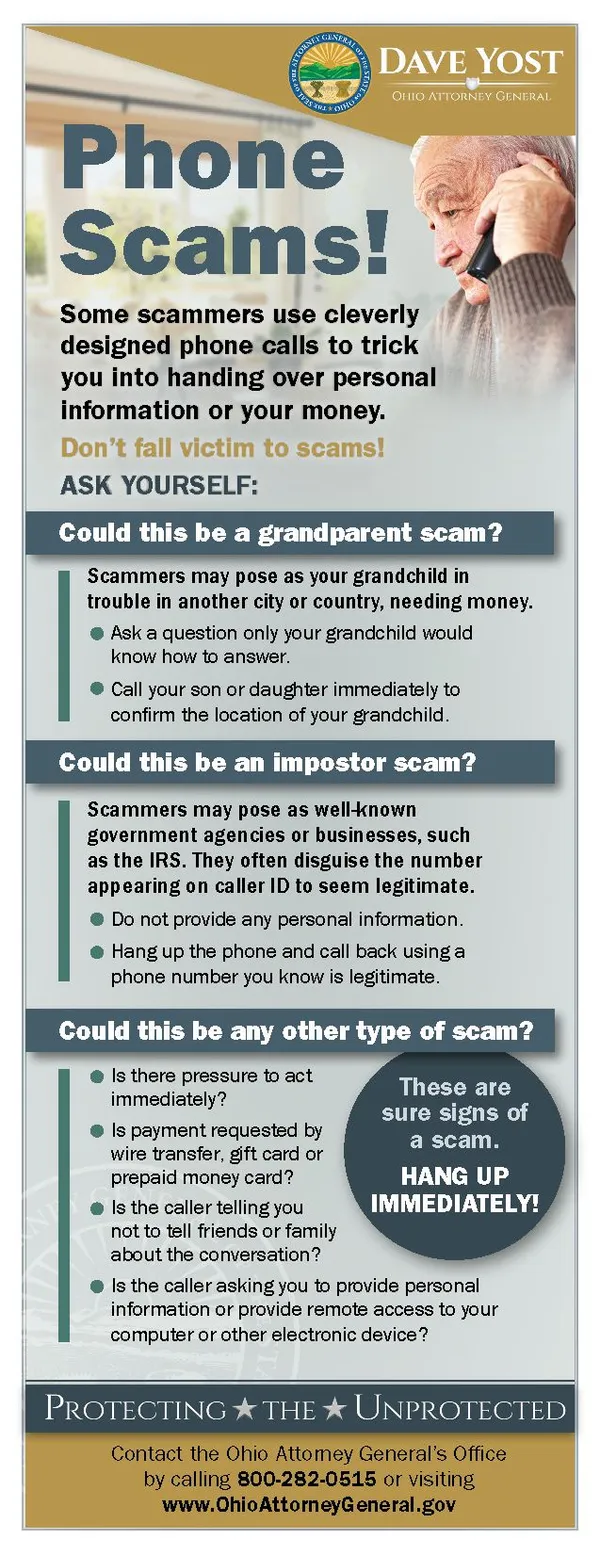
While variations differ, the underlying playbook is consistent: a caller claims the target has an outstanding warrant, missed jury duty, unpaid fines, or is tied to an investigation. The scammer then demands immediate action—often insisting payment must be made right away to avoid arrest, prevent a court appearance, or “resolve” the matter without being taken into custody.
How the impersonation scams commonly work
In many cases, imposters attempt to sound official by using agency names, badge numbers, case numbers, or by sending images of documents that look like warrants or credentials. Victims may be told not to tell family members, not to hang up, or to move the conversation to another channel. Some schemes escalate by transferring the call to another imposter presented as a supervisor or senior official.
Payment demands are a central red flag. Reports nationally and regionally describe scammers steering victims toward hard-to-trace payment methods such as gift cards, cryptocurrency, wire transfers, or payments through apps—methods that can make funds difficult to recover once sent.
Verification steps residents can take immediately
Hang up or stop responding if the contact includes threats of immediate arrest or urgent payment demands.
Independently verify the agency and phone number. Do not use a number provided by the caller, text, or email.
If a message references a warrant, subpoena, fine, or court action, contact the relevant court or agency through publicly listed channels.
Do not provide Social Security numbers, bank details, one-time passcodes, or copies of IDs to unsolicited contacts.
What to do if you’ve been targeted or paid
Residents who believe they have been targeted are encouraged to preserve evidence, including phone numbers, voicemails, screenshots, emails, payment receipts and any instructions the scammer provided. If money or personal information was shared, consumers should contact their bank or card issuer immediately to attempt to stop or reverse transactions and take steps to secure accounts.
Legitimate law enforcement and government agencies do not demand immediate payment by gift card, cryptocurrency, or similar methods to resolve warrants, fines, or investigations.
Reports can be filed with the FBI’s Internet Crime Complaint Center (IC3) and with the Federal Trade Commission’s fraud reporting system, which helps investigators track trends and identify emerging tactics.
The FBI’s Louisville warning emphasizes a broader pattern: criminals increasingly blend psychological pressure with technical deception, making verification—and refusing urgent payment demands—the most reliable defenses.