Brief Winter Warm-Up Lets Louisville Road Crews Accelerate Pothole Repairs After Freeze-Thaw Damage Across Metro
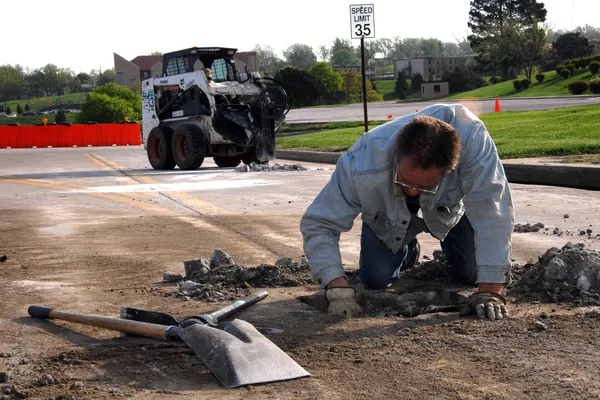
A narrow window of milder weather shifts focus back to pavement after weeks of winter response
A brief break in winter conditions has created a practical opportunity for Louisville-area road crews to catch up on pothole repairs that typically surge after repeated freeze-thaw cycles. When temperatures rise enough for patching materials to set and crews can work safely on travel lanes, repair teams can pivot from storm operations and address road damage that accumulates during prolonged cold snaps.
Louisville Metro Public Works’ Streets and Road Operations division is responsible for maintenance on Louisville Metro-controlled roads, including pothole repair and snow-and-ice operations. The division’s winter workload spans thousands of lane miles designated for treatment and plowing during storms, and those demands can temporarily limit capacity for routine pavement repair when severe weather is active.
Why potholes multiply after winter storms
Potholes generally form when water infiltrates cracks in pavement, freezes and expands, then loosens asphalt as it thaws. Traffic loads then accelerate the breakdown. Louisville’s winter pattern—periods of precipitation followed by freezing temperatures—creates conditions that can quickly turn small cracks into hazards, particularly on high-traffic corridors, intersections and busier neighborhood connectors.
Winter maintenance can also influence repair timelines. During active snow and ice events, staffing and equipment are often directed toward road treatment and plowing on priority routes, while persistent cold can reduce the effectiveness of longer-lasting hot-mix asphalt repairs. As a result, crews commonly rely on short-term patching methods until sustained warmer conditions allow more durable fixes.
How repairs are organized and which roads are covered
Within Jefferson County, responsibility depends on roadway ownership. Louisville Metro crews handle potholes on Metro-controlled streets, while the Kentucky Transportation Cabinet is responsible for state highways and interstates. For drivers, this distinction matters both for reporting hazards and for understanding where repairs will occur first during periods of high demand.
- Metro-controlled streets: repaired by Louisville Metro Public Works.
- Interstates and other state routes: maintained by the Kentucky Transportation Cabinet.
Reporting potholes and what information helps crews respond faster
Louisville residents can report potholes through Metro 311, including by phone and online. Reports are most useful when they include an exact location, nearby cross streets, and the travel lane affected. Clear, specific reports help crews dispatch efficiently, especially when multiple neighborhoods are experiencing widespread deterioration at the same time.
Pothole repair tends to accelerate during short stretches of favorable weather, but new damage can emerge quickly if freezing temperatures and precipitation return.
With winter conditions still capable of changing rapidly, the pace of repairs often depends on how long milder temperatures last. Even a short warm-up, however, can allow crews to address the most urgent hazards and reduce the backlog before the next round of winter weather arrives.