Anti-ICE protests expand nationwide as Louisville sees campus rally tied to national shutdown actions
Protests spread amid scrutiny of federal immigration enforcement
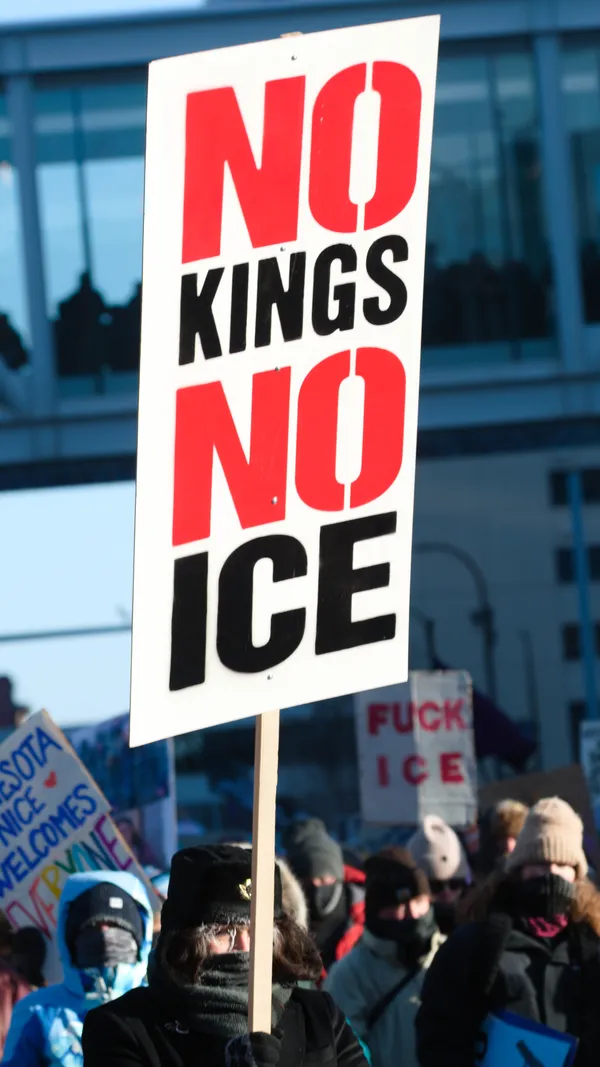
A new wave of protests targeting U.S. Immigration and Customs Enforcement (ICE) has expanded across multiple American cities, with participants organizing marches, walkouts and calls for an “economic blackout.” The demonstrations intensified in late January after high-profile incidents in Minneapolis that drew national attention and prompted federal review.
In Minneapolis, public anger surged following the fatal shooting of Alex Pretti, a nurse employed by the Veterans Affairs system, during a protest. The incident came weeks after another fatal encounter involving federal immigration agents in the same city. In response, the U.S. Justice Department opened a civil rights investigation related to Pretti’s death, while federal officials defended agents’ actions as lawful and necessary.
How the “shutdown” model works
Organizers in several states promoted a one-day strategy encouraging supporters to skip work and school and limit spending, aiming to apply economic and political pressure. In some communities, the approach also involved temporary closures by small businesses and institutions that chose to participate or that were affected by disruptions.
- Walkouts and rallies were reported in multiple metro areas, including New York City, Minneapolis and Los Angeles.
- Some school systems faced staffing shortages linked to protest participation.
- In several places, organizers paired street demonstrations with mutual-aid efforts and information campaigns.
Louisville: campus demonstration at the Red Barn
In Louisville, a protest took place on Friday, Jan. 30, 2026, at the University of Louisville’s Red Barn area, where students and community members gathered around midday. The demonstration was organized by student political groups and supported by local labor and advocacy organizations, with speakers and chants focused on opposing ICE’s operations and tactics.
University officials reiterated that members of the campus community may express views on issues as long as they follow university protocols and do not disrupt university activities. The university has previously stated it would follow federal privacy laws in the event immigration enforcement activity intersected with campus records or health information.
Federal policy backdrop and contested numbers
The protests are unfolding as the Department of Homeland Security (DHS) has publicly emphasized stepped-up immigration enforcement and promoted voluntary departures through a mobile application program. In late January, DHS announced it was increasing the stipend available to certain individuals who voluntarily leave the country using the program. DHS has also released tallies of departures and removals since early 2025, figures that have been challenged by at least one major policy research organization as not reliably substantiated.
What residents should know
- Demonstrations can cause traffic disruptions and intermittent closures near rally sites, particularly around government buildings and campuses.
- Organizers have promoted additional events beyond Jan. 30, indicating ongoing activity.
- Legal outcomes tied to federal investigations and any potential prosecutions related to protest activity remain evolving.
As protests continue, the central dispute remains whether intensified enforcement improves public safety or undermines community trust and civil liberties.